Bathroom renovation cost in Australia
Square metre for square metre, nothing in the house costs more to renovate than a bathroom — a renovation runs anywhere from $5,000 for a cosmetic refresh to $55,000+ for a full strip-out. What separates the tiers.

Bathrooms cost more per square metre to renovate than almost any other room, because a small space still needs full plumbing, waterproofing, ventilation and finish work — the fixed costs of "doing it right" don't shrink with the room. Where you land depends on how much of that plumbing and layout you touch.
What it costs, by tier
Bathrooms are the most expensive room in the house per square metre, and the reason is under the tiles rather than on them: waterproofing, drainage and the compliance that goes with both.
The Housing Industry Association puts the national average for a full bathroom renovation near $26,000. As a per-area sanity check, expect roughly $2,300 to $4,600 per square metre. Sydney and the rest of NSW generally run 15 to 25 per cent above the national average, which is worth factoring in before you compare your quote against a headline figure.
Under AS 3740, waterproofing a wet area is mandatory and must be done by a licensed applicator with documentation. It is the single most common source of a bathroom failing years later, and remediation means removing the tiles and the screed to get back to it. If a quote is materially cheaper than the others, this is the first line to interrogate.
Where the budget goes
- Tile and flooring — around 20–25%. Bathrooms use more tile per square metre than any other room (floor, shower walls, sometimes full wall panelling), and labour for tile setting is a big share of this line.
- Plumbing fixtures and labour — around 20–30%. Toilet, basin, bath or shower, and the plumber's time — higher if anything moves.
- Vanity and storage — around 10–15%. Stock cabinets are budget-friendly; custom vanities move this up fast.
- Shower/tub enclosure — around 10–20%. A prefabricated shower base with a bath is cheapest; a custom tiled walk-in shower with frameless glass is one of the priciest single items in the room.
- Ventilation, lighting, paint — the remainder, often underestimated but essential for preventing moisture problems later.
Just like kitchens, moving the toilet, tub or sink to a new spot is the single biggest cost driver beyond materials — it means new drain lines and often means opening the floor. If budget is tight, keeping fixtures in their existing locations is the highest-leverage saving in the whole project.
How to keep the cost under control
- Keep the existing footprint. Reconfiguring layout is where mid-range becomes major.
- Refinish instead of replace a tub or tile that's structurally sound but dated — refinishing costs a fraction of removal and replacement.
- Choose a prefab shower/tub unit over fully custom tile if budget is the priority — it looks less bespoke but saves significantly on labour.
- Set a 15–20% contingency — bathrooms in older homes frequently reveal water damage or outdated plumbing once walls open up.
Mistakes that inflate the price or cause water damage later
- Skimping on waterproofing to save time. This is the single most consequential shortcut in a bathroom renovation, and the damage from getting it wrong is far more expensive than doing it right the first time.
- Choosing tile from a small sample. Bathroom tile often gets selected without seeing a full slab or larger area, leading to disappointment or an expensive reorder.
- Not confirming ventilation is adequate. A bathroom fan sized or vented incorrectly contributes to moisture problems regardless of how good the waterproofing is.
- Moving the toilet or shower "just a little." Even a small plumbing move can trigger a larger scope of work than expected, since drain lines have specific slope and routing requirements.
Where a DIYer can help, and where not to
Cosmetic updates — painting, swapping a vanity, updating hardware and lighting, even re-caulking — are reasonable DIY projects. Anything involving plumbing, electrical, or the shower/tub waterproofing membrane is worth hiring out: the failure modes (leaks, mould, and work that fails inspection) are expensive and sometimes hidden until they're serious. Tile-setting is technically learnable but unforgiving of mistakes in a wet area specifically, where a small gap or improper slope causes water problems down the line rather than just looking imperfect.
How the work unfolds, phase by phase
- Strip-out (1–2 days). Old fixtures, tile, and vanity come out. This is also when hidden water damage behind tile or under the tub is discovered.
- Rough-in (2–4 days). Plumbing and electrical are run to their new or existing locations before walls are closed up.
- Waterproofing (1–2 days). A proper waterproof membrane in the shower/tub area is what prevents leaks into the walls or floor below — this step matters more in a bathroom than in almost any other room in the house.
- Tile and flooring (2–5 days, the most time-intensive phase). Tile setting is slow, precise work, especially for showers with multiple surfaces and a sloped floor for drainage.
- Vanity, fixtures, and finish work (2–3 days). Vanity install, toilet, taps, mirrors, and lighting go in last.
- Final defects list (1–2 days). Caulking, touch-ups, and fixture testing.
A beautiful tile job over inadequate waterproofing will look fine for a while and then cause expensive hidden damage. If you remember one thing to ask your contractor about, make it the waterproofing method behind the tile, not the tile itself.
A Newcastle homeowner's account
To ground these numbers in a real project, here's the experience of James, a homeowner who renovated a property in Newcastle, NSW. His bathroom taught him that the trades matter more than the fittings.
"Once you've done a renovation, it really makes you realise you have to project-manage every trade," he says. "So many people don't do a good job and don't listen. With every trade, you have to stay on top of them, or they'll cut corners."
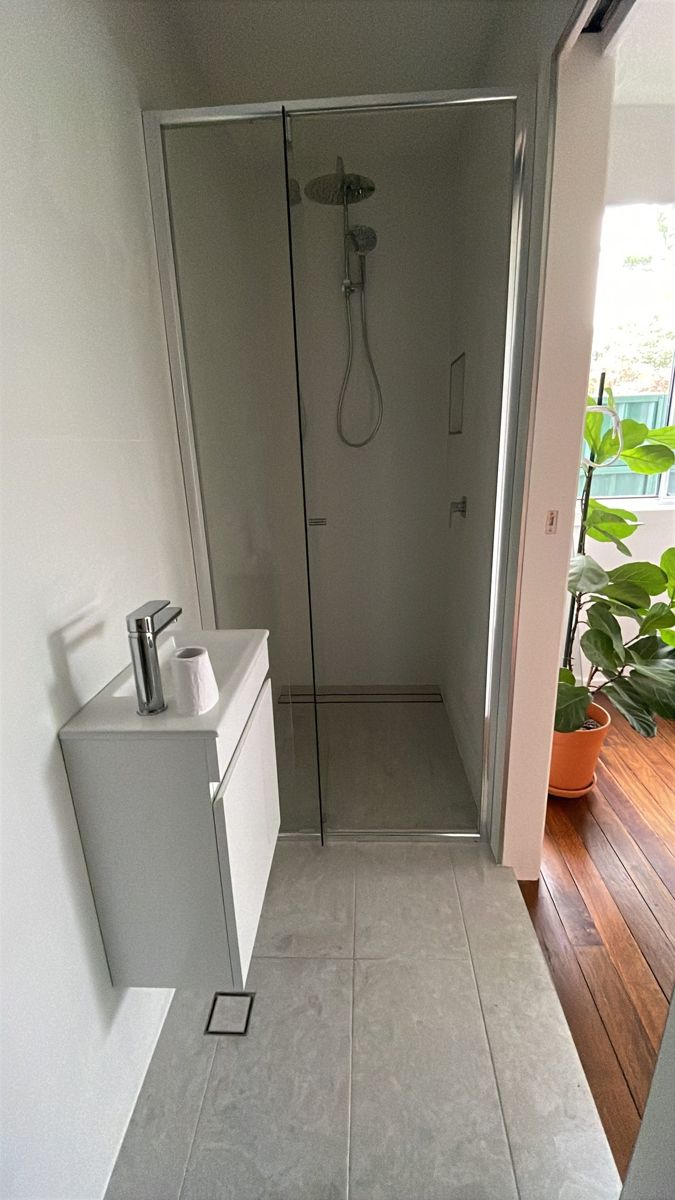
The surprises ran both ways. The cheapest waterproofing quote for the bathroom came in around $700 — and it turned out to be excellent, with enough material left over for another job. His takeaway: the cheapest quote isn't automatically the risky one, and the middle-priced trade isn't automatically the safe bet. Judge each one on how they actually work, not where they sit on price.
Waterproofing sits behind the tile, so you never see it — but it's the single thing that decides whether the room lasts or leaks. James got lucky with a cheap quote that over-delivered, but the principle holds: this is the layer to get right, because redoing it means ripping out everything on top of it.
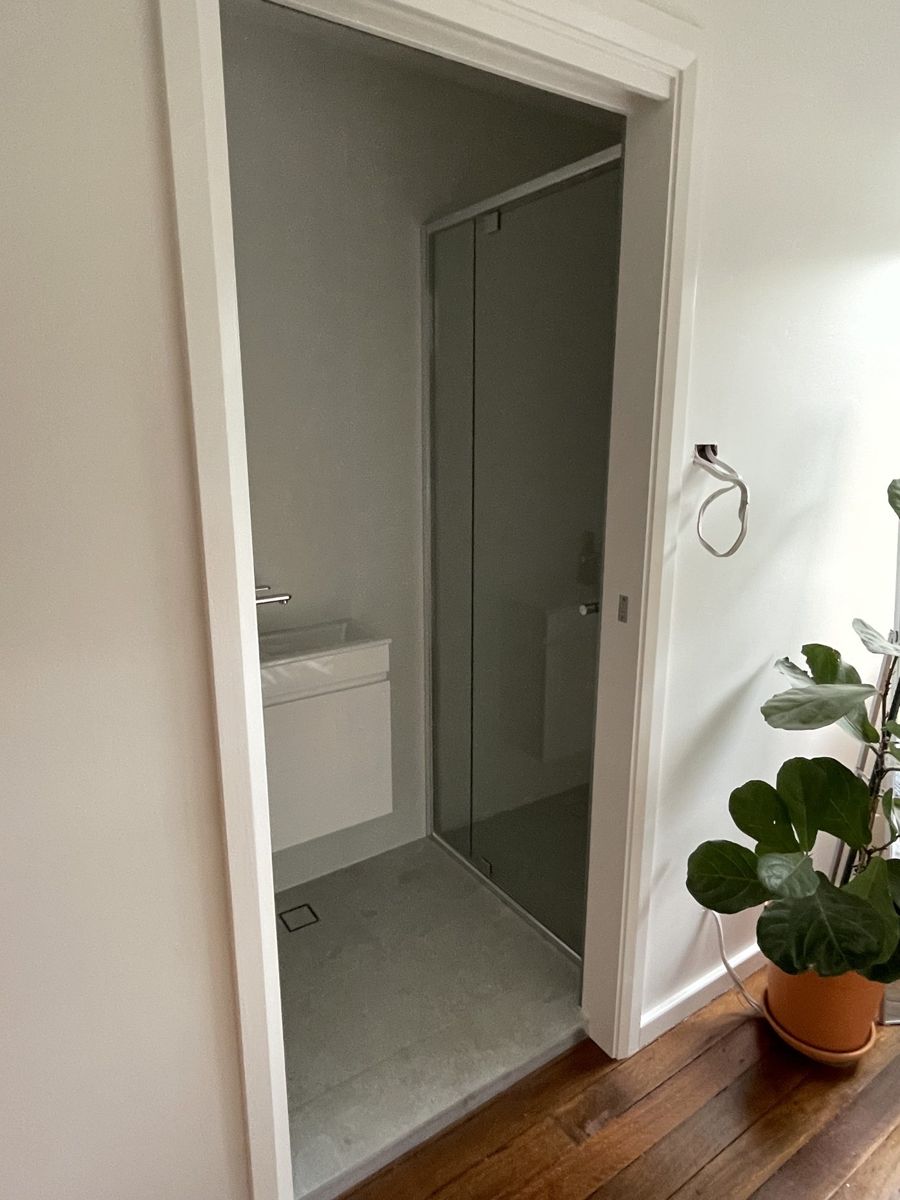
His favourite trade on the whole job was the glazier who did the shower glass — an 80-year-old who didn't own a mobile phone and took payment only in cash or by cheque. "He really took a lot of pride in what he did. It's so hit and miss with trades, and he was one of the good ones."
Frequently asked questions
Does a bathroom renovation add resale value?
Mid-range bathroom renovations typically recover a solid share of their cost at resale — often comparably well or better than kitchens relative to spend, especially adding a bathroom where a home is under-bathroomed for its bedroom count.
How long does a bathroom renovation take?
A cosmetic refresh can take one to two weeks. A mid-range renovation commonly runs three to five weeks, and a full strip-out with a moved layout can take six to eight weeks or more.
Is it cheaper to renovate a small bathroom or a large one?
Small bathrooms cost less in total but more per square metre, since the fixed costs of plumbing, waterproofing and a bathtub or shower don't scale down. A powder room addition, by contrast, is usually cheaper overall since there's no tub or shower to install.
Should I add a bathroom instead of renovating an existing one?
If your home has fewer bathrooms than bedrooms, adding one can add more resale value than upgrading an existing bathroom, though it typically costs more since it requires new plumbing lines rather than working with existing ones.
What's the most common surprise cost in a bathroom renovation?
Water damage discovered during demo — often around the tub or shower, where a failed seal has been slowly damaging the subfloor or wall structure without visible signs until the tile comes off.
Walk-in shower or tub — which is the better investment?
It depends on the home: a walk-in shower is popular and often preferred in primary bathrooms, but removing the only tub in a home can hurt resale value for buyers who want one, particularly families. If it's the home's only bathroom with a tub, keeping at least one is usually the safer resale choice.
Sources & further reading
- First-hand account and figures contributed by James, a homeowner in Newcastle NSW, from his own bathroom renovation.
- Australian cost ranges on this page are researched Australian market figures in Australian dollars, not currency conversions of overseas data.
- Waterproofing of internal wet areas in Australia is governed by AS 3740, and requirements are enforced through the National Construction Code. Confirm current requirements with your council or a licensed builder.
- Figures are planning estimates and vary considerably by region, house and finish level.
Got quotes already?
Line them up side by side with our free quote comparison tool — it shows the real spread, flags what one builder included that another left out, and gives you the questions to ask before you sign.
Estimates for planning only, not a professional assessment of your project — our editorial standards explain how we research. Confirm your real cost with local quotes.