How to hire and manage a contractor without getting burned
The single biggest factor in whether a renovation goes well isn't the budget or the materials, it's how you choose and manage the people doing the work. Here's a practical playbook, grounded in one homeowner's real experience.
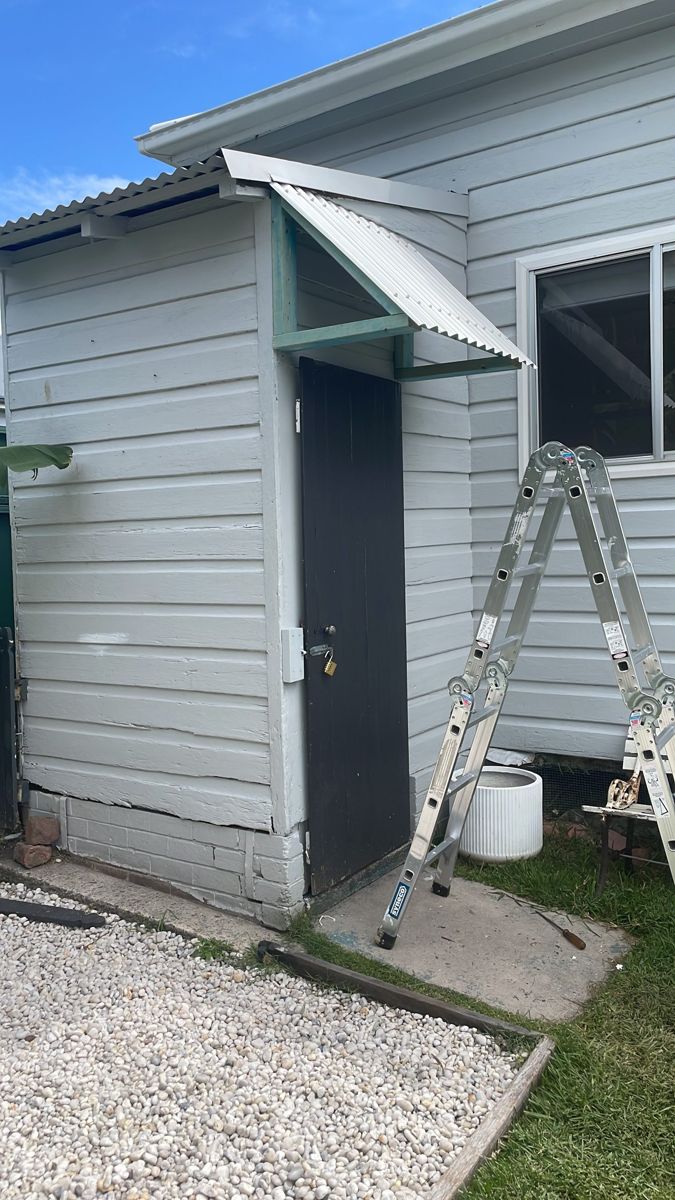
You can pick the right materials and set a sensible budget, and a renovation can still go sideways, because the variable that matters most is the people doing the work. This guide distils the practical lessons of managing trades, drawn from the firsthand experience of James, a homeowner who renovated a property and developed a second dwelling in Newcastle, NSW.
The core mindset: you're the project manager
The most important shift is accepting that, unless you're paying a builder to run the whole job, you are the project manager. Not the trades. You.
"Once you've done a renovation, it really makes you realise you have to project-manage every trade," James says. "So many people don't do a good job and don't listen. With every trade you get, you have to stay on top of them, or they'll make shortcuts." That's not cynicism, it's the default. Left unsupervised, most jobs drift toward whatever is fastest for the person holding the tools, which isn't always what's best for your house.
Getting quotes: never trust one number
The single most expensive mistake is accepting the first quote, or assuming a high quote reflects higher quality. James ran into a textbook case on a board and cladding upgrade: one company quoted $3,500, another quoted $6,500 for identical work. When he questioned the higher one, that company called back, asked how he was going comparing quotes, and, once he pointed out the gap, offered to do it for $4,000.
A number that falls from $6,500 to $4,000 after one honest conversation tells you how much padding can sit in a first quote. Always get at least three, put them side by side, and be willing to say "your competitor quoted considerably less for the same scope." As James puts it: "You've got to be pretty hard on trades and pricing, otherwise they'll take you for a ride."
How to read a good trade from a bad one
Price position is a weak signal for quality. The cheapest isn't automatically the risk, and the middle option isn't automatically safe. On James's bathroom, the cheapest waterproofing quote, around $700, turned out excellent, and left material to spare. The lesson: judge each trade on how they actually communicate and work, not where they sit on price.
His favourite trade on the whole project was the glazier who did the shower glass, an 80-year-old who didn't own a mobile phone and took payment only in cash or by cheque. "He really took a lot of pride in what he did. It's so hit and miss with trades, and he was one of the good ones." Pride in the work, clear communication, and a willingness to explain what they're doing are worth more than a slick sales pitch.
Managing the work once it starts
- Put everything in writing, and stay calm. Scope, price, and changes should be documented. Keep every message factual, because a clear paper trail protects you if anything is disputed later.
- Be present at the transitions. The moments when one trade hands off to the next (or when something hidden gets closed up) are where errors get buried. Check before it's covered.
- Don't assume silence means it's going fine. Ask for updates. A trade that avoids questions is often the one cutting corners.
- Build a directory of the good ones. Once you find a trade who does careful work and communicates well, keep them. A reliable roster is the most valuable thing you build during a renovation.
A Newcastle homeowner's account
James's renovation and dual-occupancy project put him through the full spread of trades, from the excellent to the exasperating, and every lesson above came out of it directly.
His summary is blunt and useful: get multiple quotes and push hard on them, don't equate price with quality, judge each trade on how they actually work, and accept that you'll have to manage all of them closely. The good ones, like the old glazier, are worth holding onto. The rest need watching.
A Coffs Harbour homeowner's account
Keryn has had a lot of work done to her home on the NSW mid north coast over about a decade — two bathrooms, a kitchen, a laundry, flooring, painting, walls reconfigured, fencing, a retaining wall, a deck, a pool resurfacing and a roof replacement. Enough jobs, over enough years, to see a pattern.
Asked what she'd do differently, she gave almost the same answer about eight separate jobs, in eight separate ways.
On the walls that were reconfigured: check the fine details once again. Don't assume all is good. On the kitchen: I'd be more vigilant in checking after, and getting back to the business with issues. On the laundry: be more vigilant with checking the small details after the job finished. On the retaining wall: eye for detail once again — not finished off well. On the pool: QC the tradies once again.
That's not one bad experience producing one grievance. That's a homeowner arriving independently at the same conclusion across a decade of unrelated jobs, with different trades, in different rooms.
The moment a job is declared finished is the moment your leverage is highest and your attention is lowest. You're relieved, the mess is gone, and the invoice is due. That's precisely when the defects are easiest to fix and hardest to notice.
What "checking properly" actually caught
The abstract advice is useless without examples, so here is what a proper inspection found on her jobs — and what it cost when nobody did one.
The walls that weren't straight. After a structural reconfiguration, her brother — a builder, who had nothing to do with the job — looked over the finished work and picked problems she hadn't seen: walls that weren't straight, and insulation that had been forced into the cavity hard enough to bow the wall out. Neither is visible to someone who isn't looking for it. Both are expensive once the wall is lined and painted.
The wardrobes built off-plan. An apprentice installed built-in storage without following the drawing. It was wrong, it stayed wrong, and the fix now involves getting a carpet fitter back to fill the gaps left behind — a second trade, a second callout, for someone else's error.
The splashback with nothing behind it. A metal splashback in the kitchen had inadequate support behind one corner. She noticed, didn't push it at the time, and has lived with it for eight years. Her own verdict: she should have gone back to the business about it.
None of these were catastrophic. That's exactly why they survived — each one was small enough to let go in the moment, and permanent as a result.
Get someone else to look
The most valuable thing in that list is who found the wall problems. Not the homeowner, and not the trade that did the work — a third party with the right eye and no stake in the outcome.
You don't need a builder in the family. An independent inspection at completion is a fraction of the cost of any of these jobs, and it's the difference between defects that get fixed under the original arrangement and defects that become yours forever. If the work is substantial, budget for one the way you'd budget for a building inspection when buying.
And if you can't get an independent eye, at minimum walk the job before you pay the final invoice, in daylight, slowly, with a list. Sight down every new wall. Open and close everything. Check what's behind and underneath rather than what's in front.
Raise it immediately, even when it feels petty
The splashback is the instructive one. She saw the problem, judged it too minor to make a fuss about, and inherited it permanently.
A defect raised in the week after completion is a warranty conversation. The same defect raised two years later is a favour you're asking. Most trades will come back and fix something small if you tell them promptly — the cost to them is an hour, and the alternative is an unhappy customer. Waiting converts a cheap fix into a permanent compromise.
The uncomfortable part is that this feels rude, particularly when the trade has been pleasant, or has been recommended, or is someone you know. Keryn had several jobs done through family and a family business, and that makes raising small problems harder rather than easier. Worth deciding in advance that you'll do it anyway.
Frequently asked questions
When should I raise a defect?
Immediately, even if it feels petty. A problem raised in the week after completion is a warranty conversation; the same problem raised two years later is a favour you're asking. One homeowner in this guide noticed inadequate support behind a kitchen splashback, judged it too minor to mention, and has lived with it for eight years.
Should I get someone independent to check finished work?
If the job is substantial, yes. On one project a builder with no involvement in the work spotted walls that weren't straight and insulation forced in hard enough to bow a wall — neither visible to someone not looking for it, and both expensive once lined and painted. An independent inspection costs a fraction of the job.
How many quotes should I get?
At least three for any significant job. Beyond giving you a price range, multiple quotes give you leverage, and the spread itself tells you a lot: a quote far above the others often has room to move.
Is the cheapest quote always a red flag?
No. Price is a weak signal for quality in both directions. The cheapest can be excellent and the most expensive can be padded. Judge each trade on how they communicate, whether they explain their approach, and whether their scope actually matches the others.
Do I really need to supervise every trade?
Unless you've hired a builder to manage the whole project, yes. The homeowner is the de facto project manager. Being present at handovers and before anything gets closed up is where you catch the expensive mistakes.
How do I push back on a quote without souring the relationship?
Keep it factual and specific: "another quote came in considerably lower for the same scope, can you help me understand the difference?" A reputable trade will either justify their price or adjust it. Either way you learn something.
Sources & further reading
- First-hand accounts contributed by James, a homeowner and renovator in Newcastle NSW, and Keryn, a homeowner in Coffs Harbour NSW, drawn from approximately a decade of renovation and repair work on her own home.
- Quoted figures are the contributors' own out-of-pocket costs. Contractor and company names are withheld.
- Licensing, insurance and home building compensation requirements for residential building work vary by state and territory. Confirm the requirements and a contractor's licence status with your state regulator.
- For disputes that cannot be resolved directly, see our guide to NSW building disputes.
Got quotes already?
Line them up side by side with our free quote comparison tool — it shows the real spread, flags what one builder included that another left out, and gives you the questions to ask before you sign.
Estimates for planning only, not a professional assessment of your project — our editorial standards explain how we research. Confirm your real cost with local quotes.