Insurance repairs: what the work costs, and why you still need to check it
A hail-damaged roof came to roughly $82,000. A pool resurface, $10,000. The homeowner paid neither — but years later she was still dealing with what the first job left behind in her roof cavity.
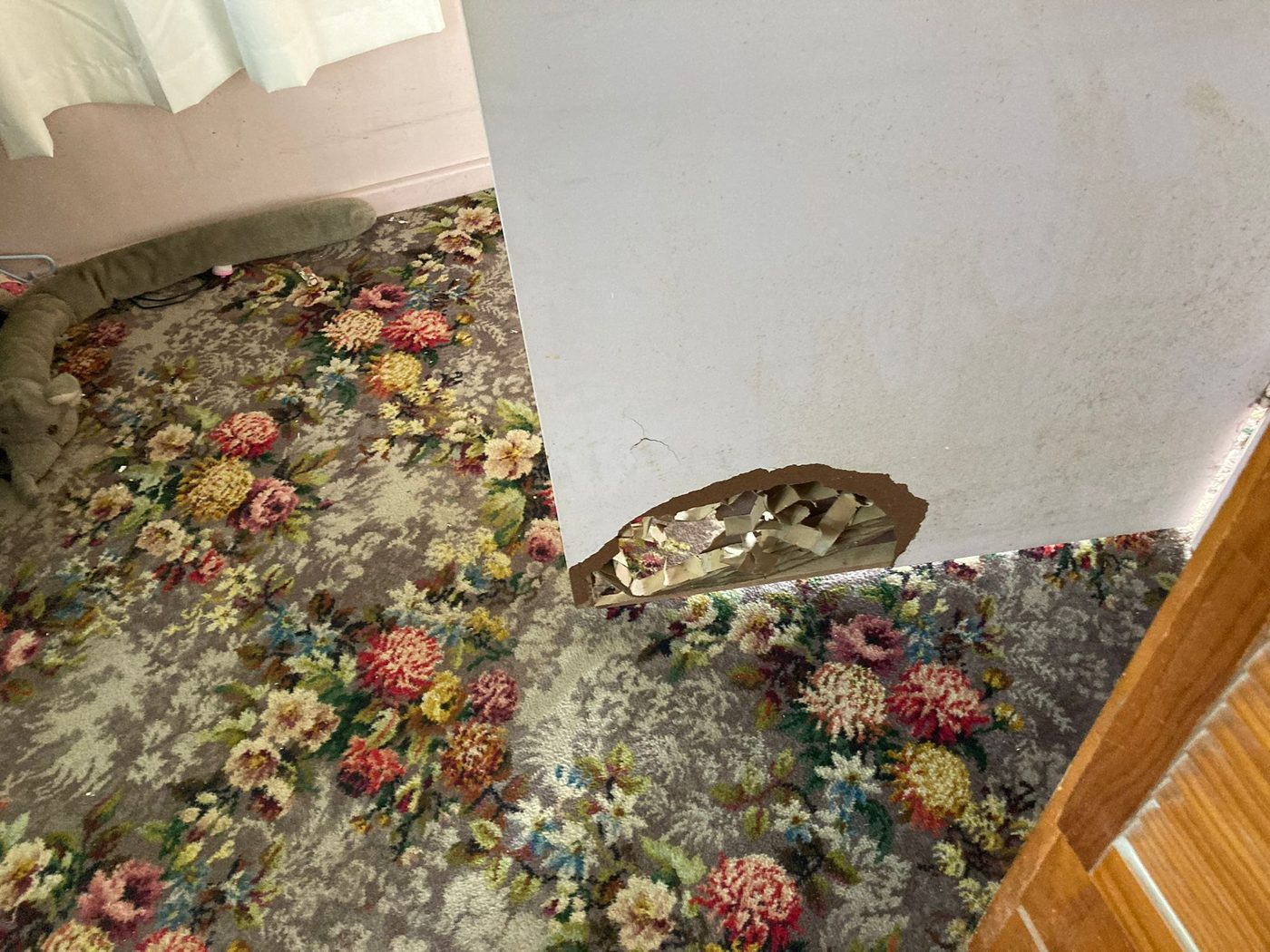
All three claims on this page were contributed by Keryn, a homeowner in Coffs Harbour, NSW.
What an insurance repair actually costs
Insurance work is the one category where the number on the job bears no relationship to what you pay. That makes it strange to write about in a cost guide — and worth writing about precisely for that reason, because the scale of the work is invisible to most homeowners until it happens to them.
Three real claims from one Coffs Harbour home over five years:
- Hail damage to the roof, 2021 — approximately $82,000. A full roof replacement following a storm.
- Pool resurfacing — approximately $10,000.
- Insulation replacement — approximately $5,000. A consequence of the roof job, which we'll come to.
To be clear about what those figures are: they're what the work cost, not what the homeowner paid. Her own summary of the pool claim was that the cost to her was nothing — the expense was time fighting with the insurance claim. That distinction matters, and it cuts both ways. You are not paying, so the immediate financial pressure is off. You are also not the customer in the way you'd normally be, and that changes how the job runs.
An $82,000 roof replacement is not an unusual hail claim in coastal or storm-prone Australia. If you have ever wondered why your building insurance costs what it does, that figure is the answer. It also tells you what you'd be facing uninsured.
The trade on your roof does not work for you
This is the structural difference between insurance work and work you commission, and almost everything else follows from it.
When you hire a builder, you choose them, you pay them, and they want you to be happy because you're the one signing off. On an insurance repair, the insurer selects the trade, the insurer pays them, and the trade's commercial relationship is with the insurer rather than with you. You are the address the job happens at.
That doesn't make them bad operators. It does mean the ordinary incentives that keep a job tidy are weaker, and the person best placed to notice a problem — you — has the least leverage to do anything about it.
Which brings us to what happened on that roof.
What was found in the roof cavity
The hail claim replaced the roof. The work was completed, the claim was closed, and the house went back to normal.
Years later, it emerged that leaf material from the old roof had been dumped into the roof cavity during the job rather than removed from the property. It had been sitting on top of the ceiling insulation the entire time.
The remedy was not simply sweeping it out. The insulation underneath had to be removed and replaced — roughly a $5,000 job in itself — and the homeowner had to go back to the insurer years after the original claim to get the tradespeople returned to fix it.
Two things worth taking from that. The first is practical: a roof cavity is the easiest place in a house to hide debris, because nobody looks there. The second is that the failure survived for years specifically because no one inspected the work at completion — and by the time it surfaced, the original claim was long closed and getting it rectified was a negotiation rather than a warranty call.
Insurance job or otherwise. Get into the roof space, or have someone do it, before you sign anything off. Our roof replacement guide covers what a complete re-roofing scope should include. You are looking for offcuts, old material, fixings and leaf litter sitting on the insulation. It takes ten minutes and it is the single highest-value inspection you can do after roofing work.
The repair that caused a bigger repair
The pool claim has a different lesson, and it's one of the cleanest examples of paying twice you'll find.
The original problem was the waterline tiles, which needed regrouting. An expert was engaged to do it. The wrong grout was used, and it dropped into the pool. The consequence was not a failed regrout that could simply be redone — the pool itself had to be resurfaced, a roughly $10,000 job.
A small remedial task, done wrong, escalated into a major one. That's the pattern worth internalising: on a lot of building work, the cost of a mistake is not the cost of the task, it's the cost of everything the task can damage. A grouting job is worth a few hundred dollars. The surface it can ruin is worth five figures.
It's also a reminder that the word "expert" is not a qualification. Ask what specific product they intend to use and whether it's rated for the application, particularly for anything going into or onto a pool, a wet area, or a roof.
Managing a claim you're not paying for
Some practical positions, drawn from three claims on one house:
Expect the time cost to be real. The pool claim's defining feature wasn't money, it was the effort of arguing it through. Budget attention rather than dollars.
Inspect at completion anyway. The temptation with insurance work is to disengage, because it isn't your money. That's exactly backwards — you have less leverage, so you need to catch problems earlier, not later.
Photograph everything, including during. Before, during and after. If a dispute emerges years later, the photographs are the only version of events that doesn't depend on memory.
Don't assume a closed claim is closed. The insulation problem was rectified years after the fact because the homeowner went back and pushed. A closed claim is not automatically a dead end where the original work was defective.
Ask what happens to the old material. On any strip-out job, insurance or not, establish who is removing the waste and where it goes. Get it in writing if the job is substantial.
Frequently asked questions
How much does a hail-damaged roof cost to replace?
One 2021 claim on a Coffs Harbour home came to approximately $82,000 for a full roof replacement. That's the cost of the work rather than an out-of-pocket figure, but it's a useful indication of what storm damage to a roof actually involves — and what you'd face uninsured.
Do I need to check work the insurer paid for?
Arguably more than work you commissioned. The trade's relationship is with the insurer, not with you, so the usual incentives are weaker. On one claim, leaf material from the old roof was dumped into the roof cavity and only discovered years later — requiring the insulation beneath to be stripped and replaced at around $5,000.
Can I go back to an insurer after a claim is closed?
It's worth trying where the original work was defective. In the case above the homeowner went back years afterwards and had the tradespeople returned to rectify it. Expect it to be a negotiation rather than a straightforward warranty claim, and expect it to take time.
What should I check after roofing work?
Get into the roof cavity and look at what's sitting on the insulation — offcuts, old roofing material, fixings and leaf litter. It's the easiest place in a house to hide debris because nobody looks there, and it's a ten-minute inspection.
Why did a regrouting job end up costing $10,000?
Because the wrong grout was used and it dropped into the pool, forcing a full resurface. On a lot of building work the cost of a mistake isn't the cost of the task — it's the cost of everything the task can damage. Always ask what specific product will be used and whether it's rated for the application.
Sources & further reading
- All three claims described on this page come from one home in Coffs Harbour, NSW, contributed by the homeowner: hail damage (2021), pool resurfacing and insulation replacement.
- Figures are the approximate cost of the works as settled by the insurer, not the homeowner's out-of-pocket expense. They are one property's claims, not market averages.
- Policy terms, excesses and dispute processes vary by insurer. For a dispute you cannot resolve directly, the Australian Financial Complaints Authority handles complaints about insurers.
Got quotes already?
Line them up side by side with our free quote comparison tool — it shows the real spread, flags what one builder included that another left out, and gives you the questions to ask before you sign.
Estimates for planning only, not a professional assessment of your project — our editorial standards explain how we research. Confirm your real cost with local quotes.